From the land to the glass: a year of mountain, water, paddy and brewery
Behind every glass of Akita sake is a yearly cycle that begins with snow on the mountains.
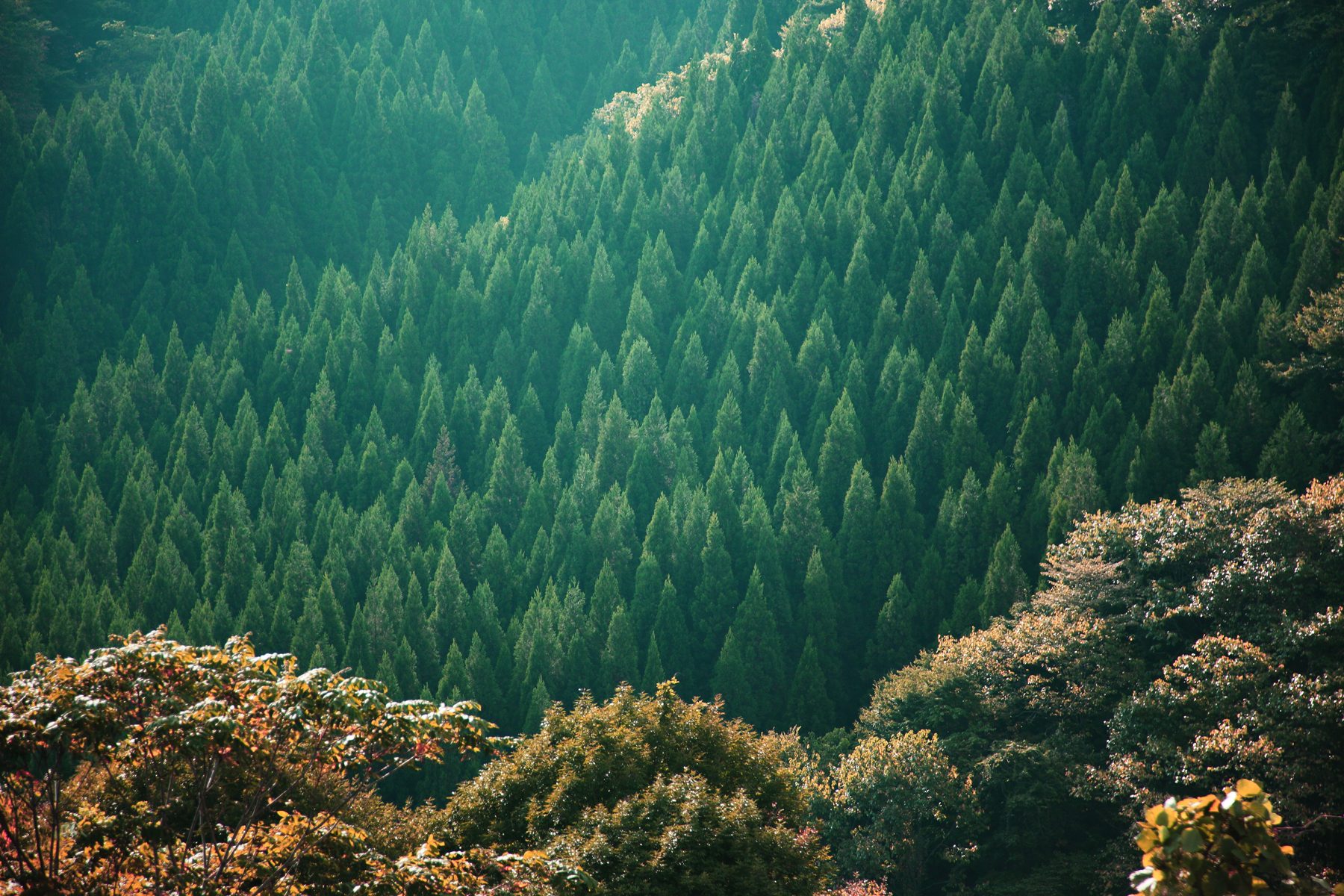
In Akita, people are not the only makers of sake. Mountains, water, paddies and the seasons themselves build each glass in the same order every year.
Mountain: winter stores the water
Shirakami, the Ōu range, Mt Chōkai. The snow of winter seeps slowly into the ground through spring and summer, becoming underground water over many years.
Water: the land gives back
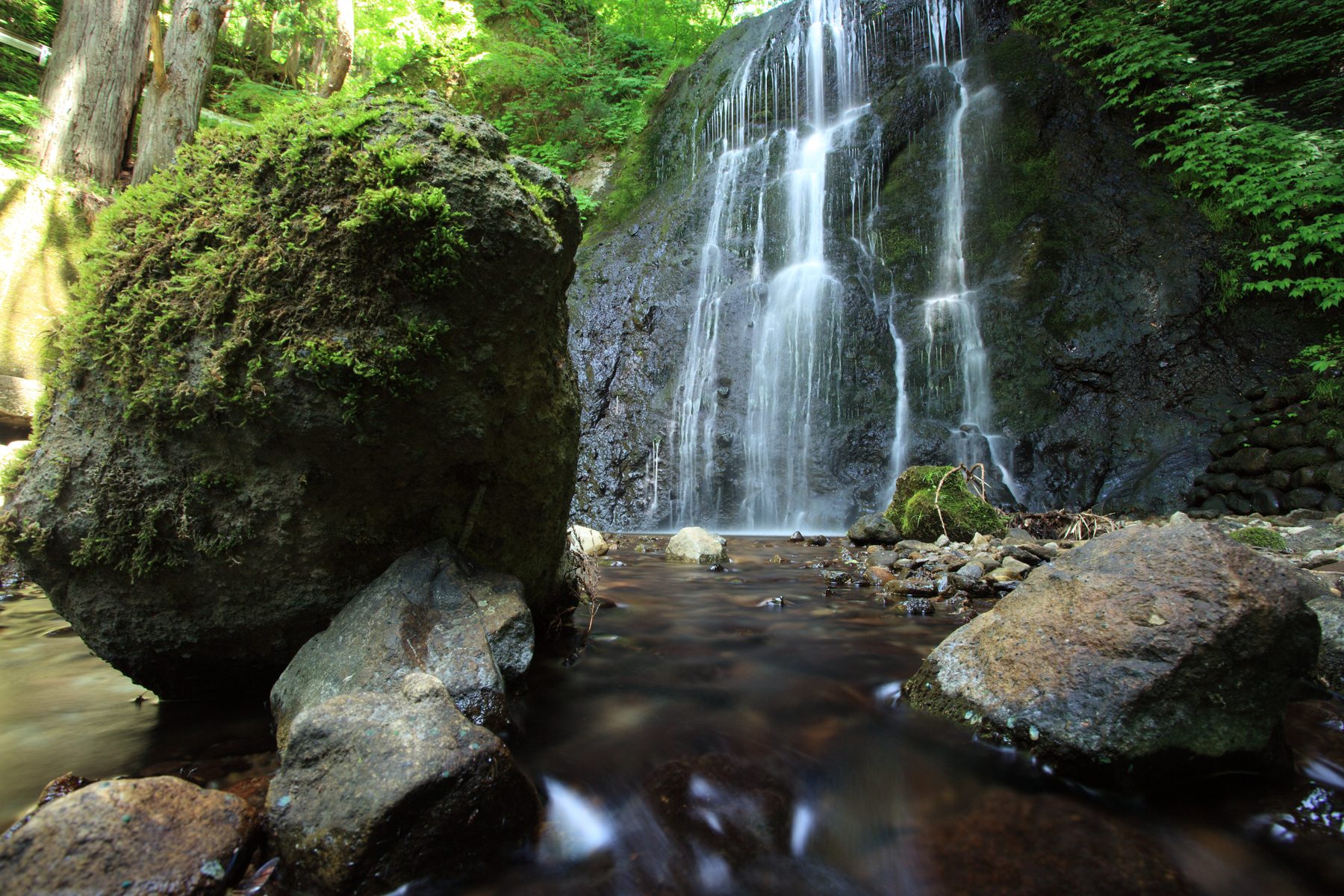
Rokugō in Misato counts around a hundred springs, and its breweries still brew with that water. Harukasumi’s Kuribayashi brewery says the soft snowmelt is the heart of its sake.
Paddy: the rice ripens
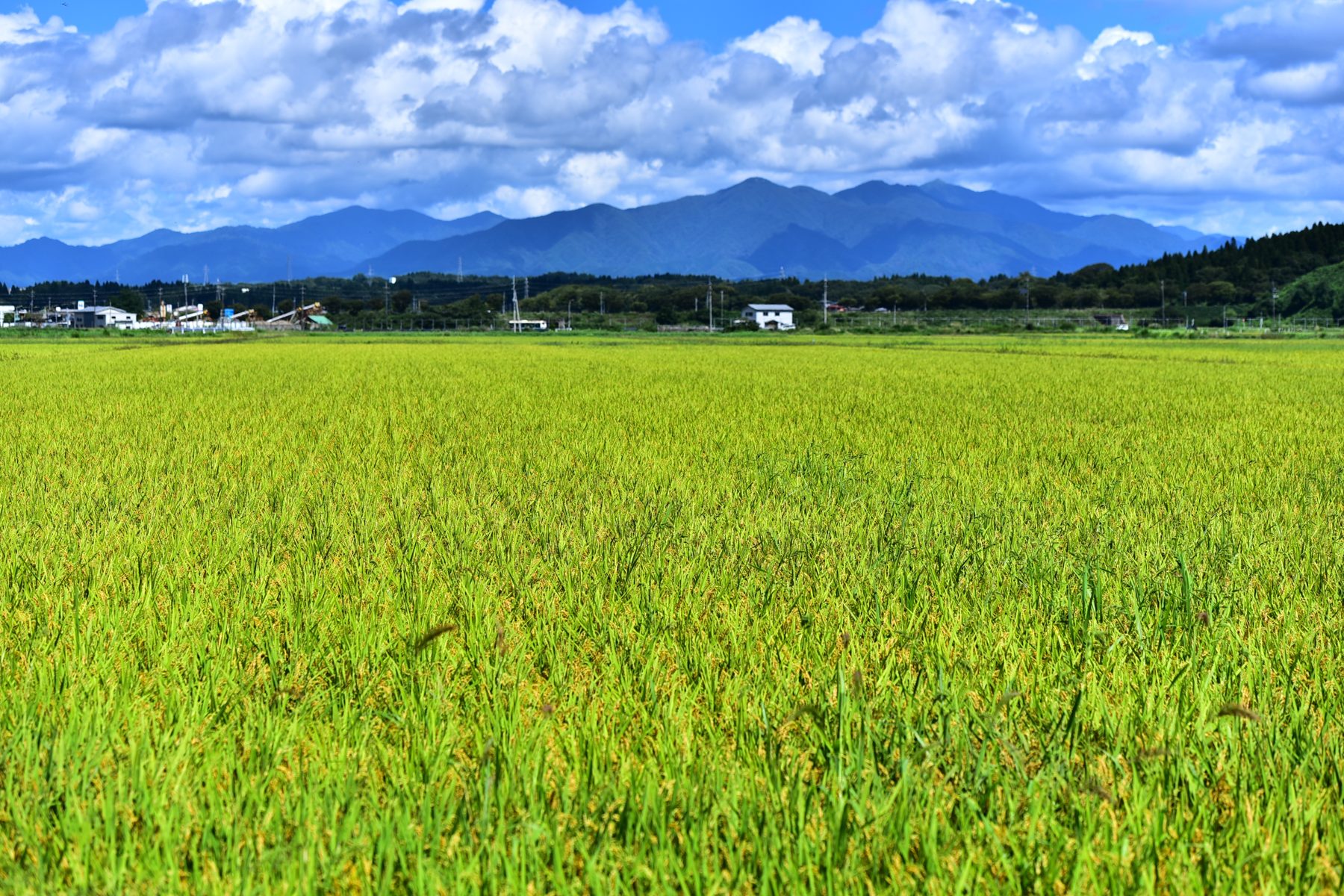
Snowmelt fills the paddies, and by autumn the ears are heavy. The Senboku plain and the Yokote Basin are among Akita’s great rice bowls, and breweries such as Akita Meijo now grow Hyakuden and Ichihozumi in their own fields.
Brewery: brewing in the cold
When winter returns, brewing begins. Ryōzeki in Yuzawa is credited with pioneering slow, low-temperature brewing, and Kyokai No.6, the oldest sake yeast still in use, was born at Aramasa in Akita City. The year that began on the mountain ends in a glass.
Two breweries in Rokugō, the town of springs
Misato’s Rokugō has around a hundred springs. From the same town’s water come two very different sakes.
Reading Akita through its sake rice
Follow the rice behind Akita’s signature sakes and one local variety after another appears.
Five centuries: visiting Akita’s oldest breweries
Some breweries date back to the Muromachi era. Their founding years show how long this land has been making sake.