Reading Akita through its sake rice
Follow the rice behind Akita’s signature sakes and one local variety after another appears.
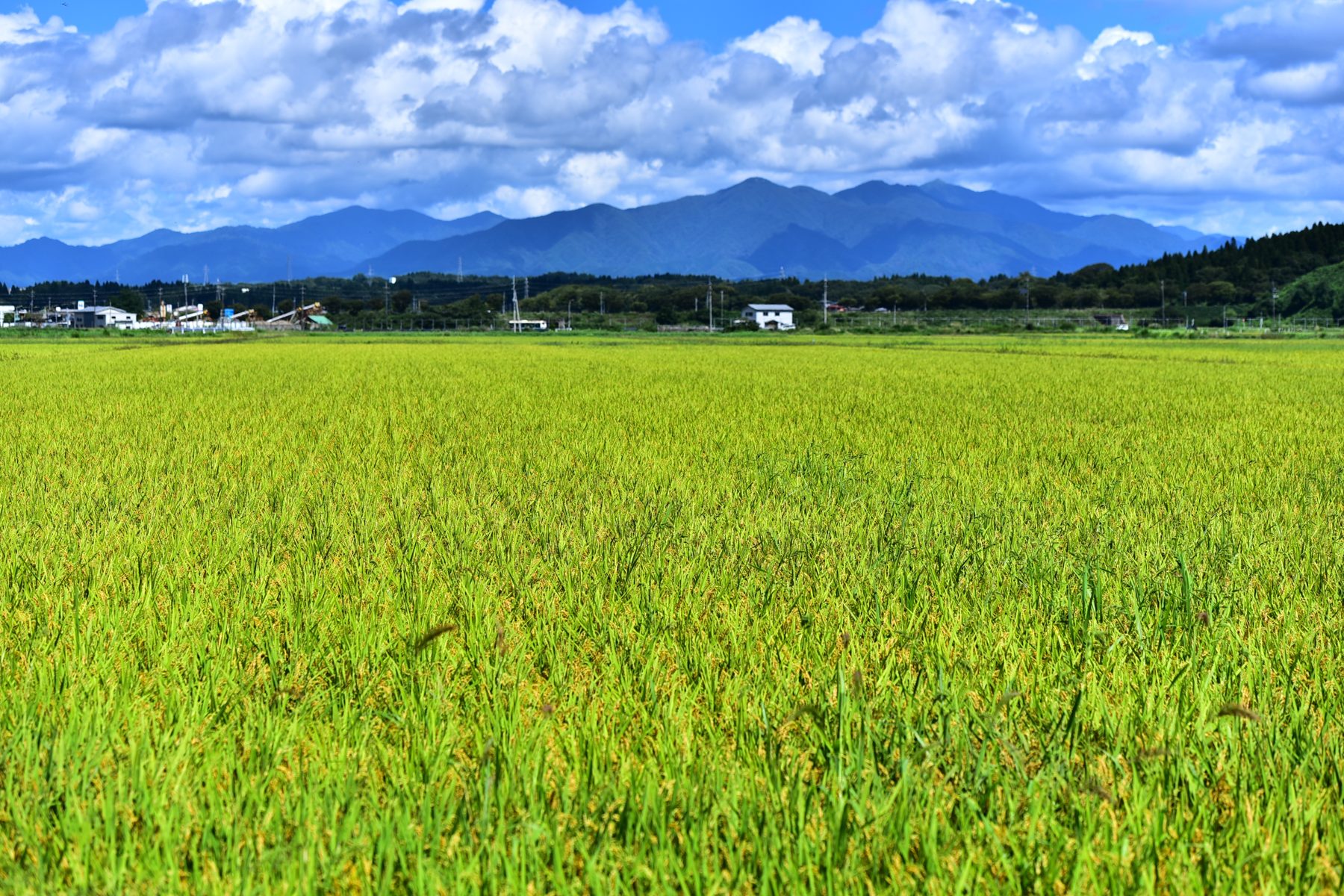
Rice is one of the things that shape a sake. Look at the signature bottles of Akita’s breweries and the names of locally bred varieties keep appearing.
Akita Sake Komachi
Fukurokuju’s Ippaku Suisei Ryōshin, Asamai’s Natsuta Fuyuzō, Suzuki’s Shōsei: one of Akita’s defining sake rices, used by many breweries for their core range.
Hyakuden and Ichihozumi
For its centenary, Akita Meijo began growing Hyakuden and Ichihozumi in its own fields. Hyakuden also goes into Tenju’s junmai daiginjo and Kimura’s Fukukomachi Junmai Daiginjo Hyakuden 40.
Misato Nishiki
Azakura’s junmai daiginjo is brewed with Misato Nishiki, which Takahashi Shuzoten in spring-rich Rokugō also uses.
Taste with the rice name as your guide and you will find the same variety speaks differently in every brewery.
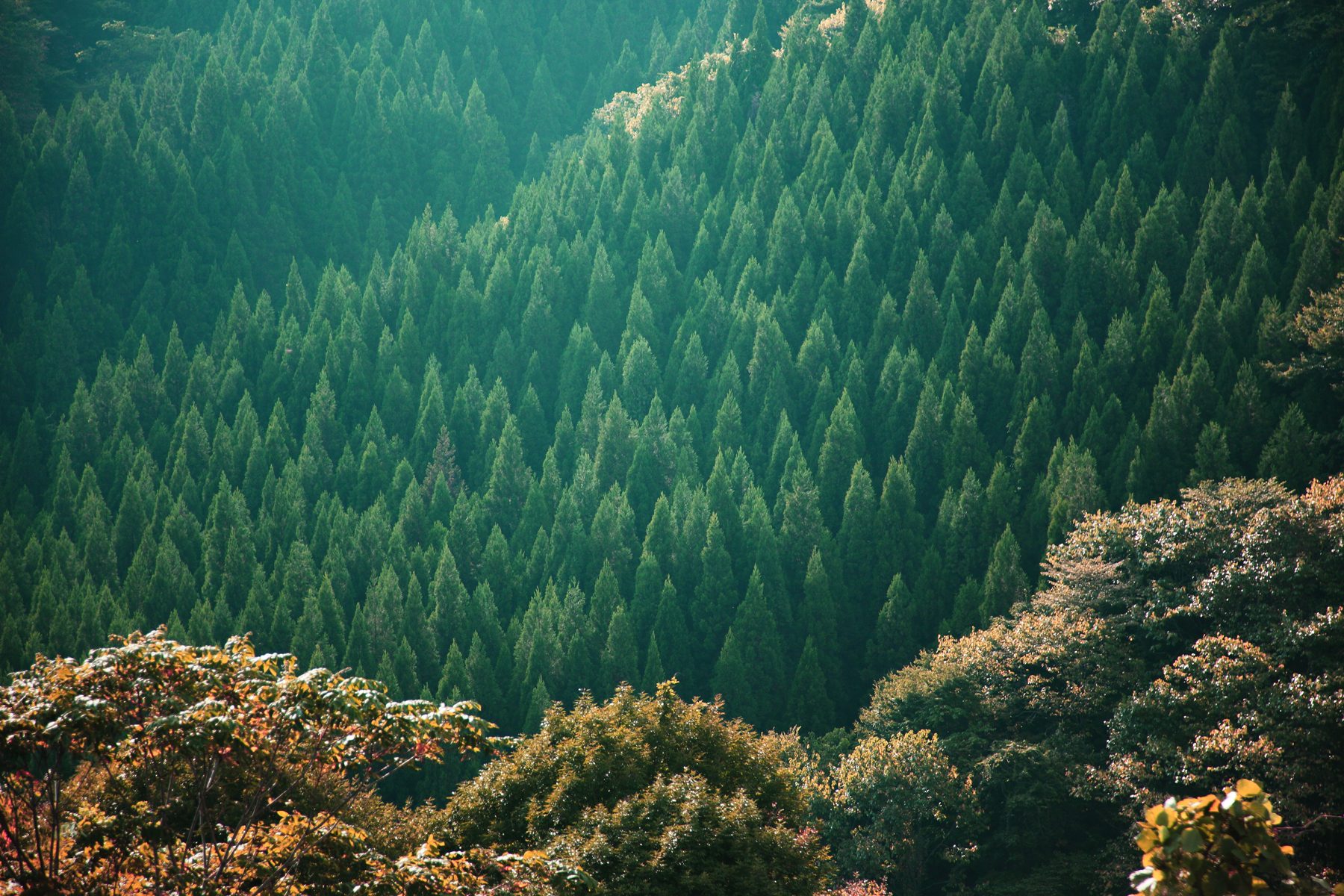
From the land to the glass: a year of mountain, water, paddy and brewery
Behind every glass of Akita sake is a yearly cycle that begins with snow on the mountains.
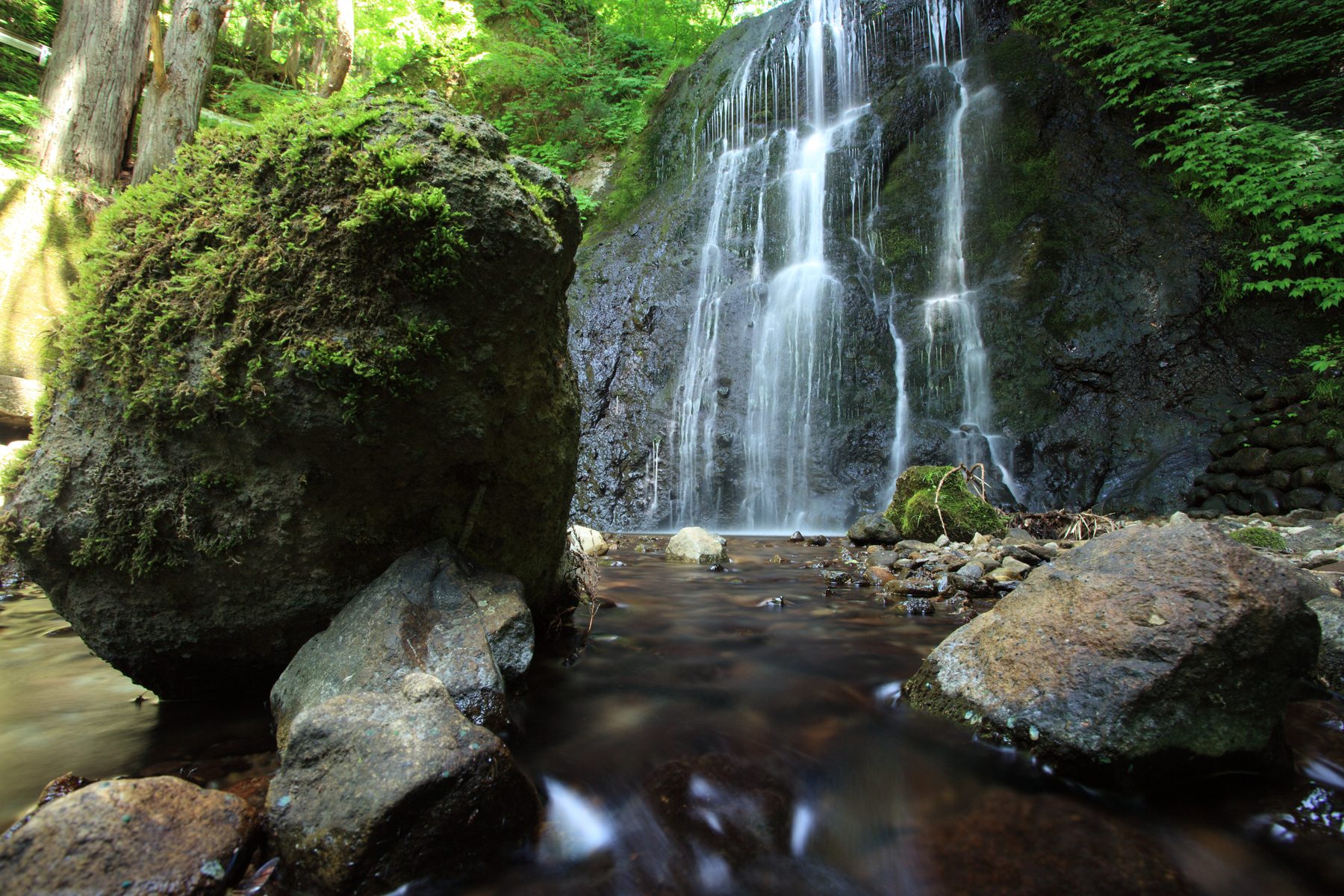
Two breweries in Rokugō, the town of springs
Misato’s Rokugō has around a hundred springs. From the same town’s water come two very different sakes.
Five centuries: visiting Akita’s oldest breweries
Some breweries date back to the Muromachi era. Their founding years show how long this land has been making sake.